What Is a Base Note? Understanding the Structure of a Fragrance
- Jonathan Fein
- Aug 2, 2025
- 2 min read

Every perfume is a story told in three acts: top, heart, and base. Each note rises and fades in its own time, unfolding on the skin like memory returning in layers. Of these, the base note is the deepest—quiet, grounding, and often the last to be noticed, but the longest to linger. It is the soul of the scent.
Base notes are the foundation of a fragrance’s structure. While top notes are fleeting (the sparkling first impression) and heart notes form the emotional core, base notes provide depth, warmth, and lasting power. They’re made of materials that evaporate slowly—resins, woods, musks, and earthy elements that stay close to the skin for hours.
Think of sandalwood with its creamy, meditative calm, or labdanum, warm and golden like sunlit stone. Patchouli, earthy and grounding. Ambergris, softly radiant and diffusive. In our Desert fragrance, it’s these base notes that hold the heat of the land, the hush of twilight, and the echo of footsteps across ancient dust.
But base notes do more than last. They bind the entire fragrance together. They anchor volatile top notes and round out delicate florals, giving the scent structure and complexity. Without a strong base, even the most beautiful opening can feel hollow, or disappear too quickly.
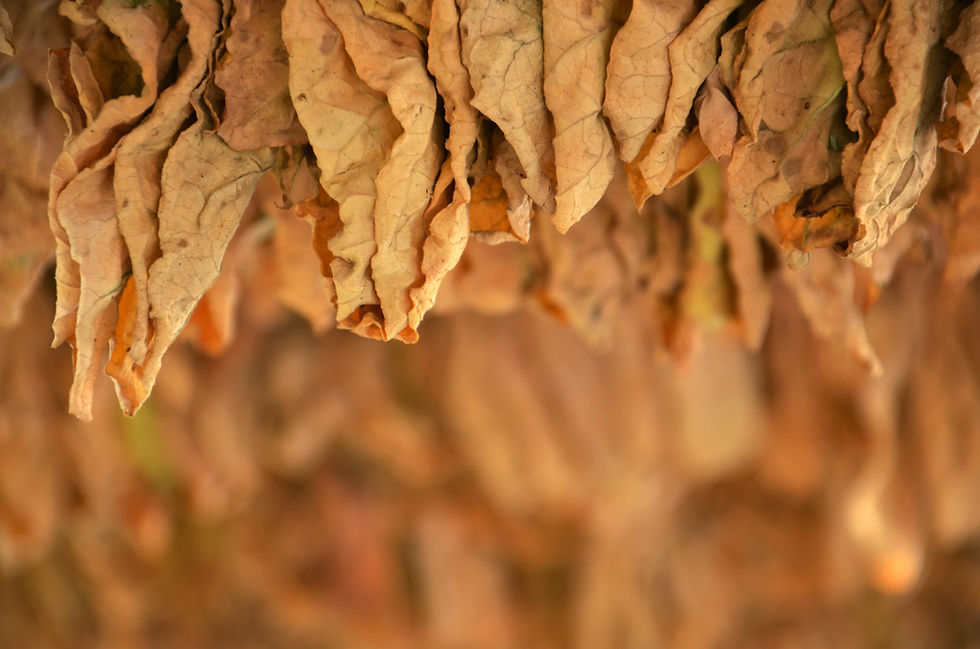
In Field, base notes like hay absolute, oakwood, and ambrette seed soften the green brightness of grasses and wildflowers. In Forest, cedar, oakmoss, and tobacco create a rich undergrowth beneath pine and earth. They’re not always the first notes you notice—but they’re the ones that stay with you.
So the next time you wear a perfume, pause after the first hour. That subtle warmth, that whisper of wood or musk? That’s the base note. It’s where the fragrance becomes part of you. And it’s often the part that lingers longest in memory.